Your Plaintiff Counsel Knows More About Claims Trends Than You Do
The 2026 CLM Study reveals a growing visibility gap between carriers and the plaintiff bar.

by Rebecca Side
There’s a phrase I hear constantly in the market right now: “Costs are out of control.”
And to be fair… the data backs that up.
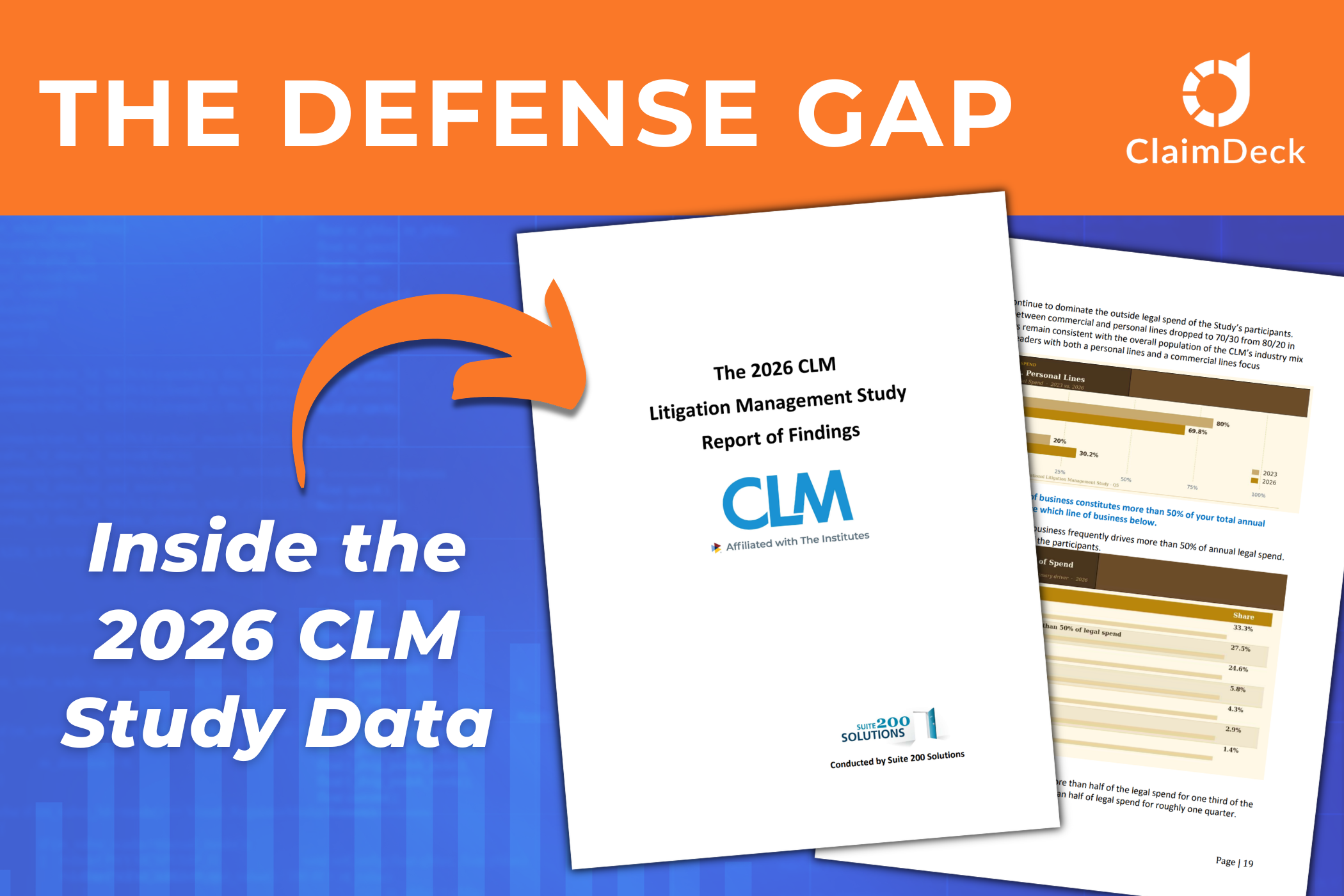
The 2026 CLM Litigation Management Study found:
81% of executives report rising indemnity costs
76% report rising defense costs
litigation expenses now account for nearly a third of total litigation costs

So yes — costs are absolutely increasing.
But I actually think the more interesting question is: Do we really understand what’s driving them?
Because when you dig into the study, the answer appears to be:
“Not consistently.”
We’re Measuring Spend. But Not Always Measuring Behavior.
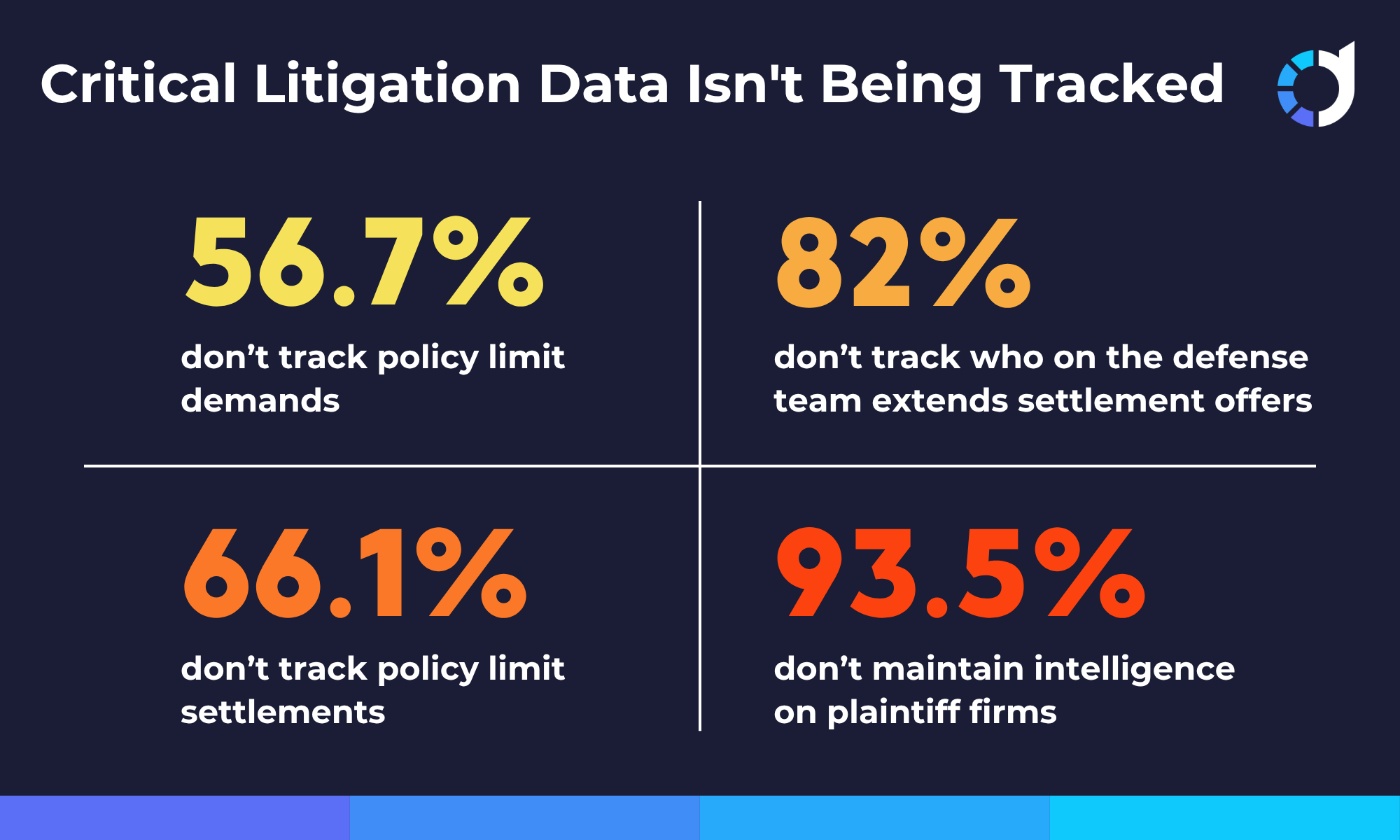
One of the most revealing parts of the study is the sheer amount of critical litigation data that organizations aren’t tracking.
56.7% don’t track policy limit demands
66.1% don’t track policy limit settlements
82% don’t track who on the defense team extends settlement offers
93.5% don’t maintain intelligence on plaintiff firms
And honestly, this is where things start to feel slightly absurd.
Because these aren’t obscure analytics.
These are the exact drivers influencing:
negotiation behavior
settlement strategy
indemnity exposure
and ultimately… claim outcomes
We’re trying to control rising costs while operating with partial visibility into what’s actually influencing them.
Which is a bit like trying to lose weight by only tracking the price of groceries.
The Industry Is Sitting on Data — But Not Intelligence
This is the distinction I think matters most now.
Most organizations have data.
The issue is:
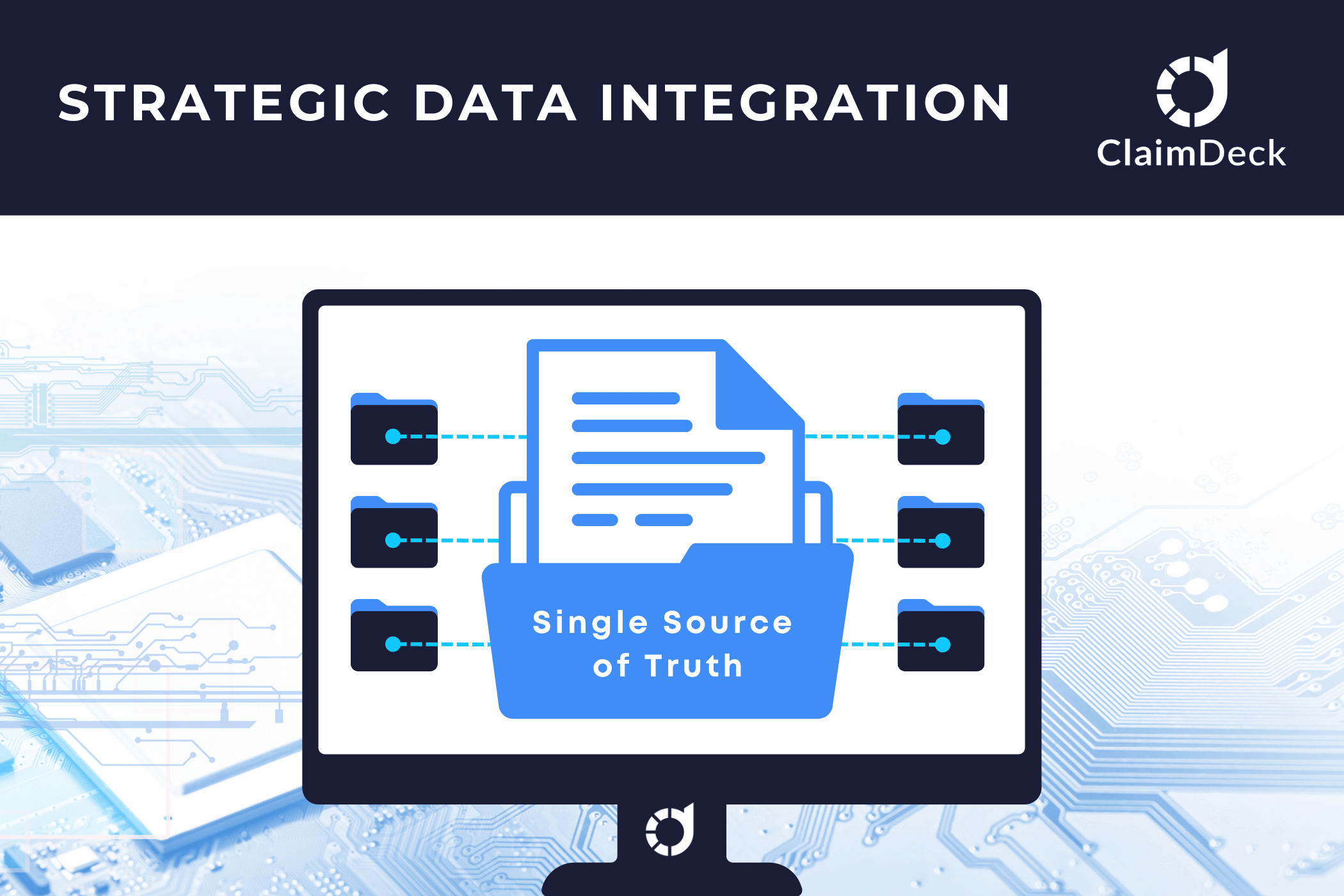
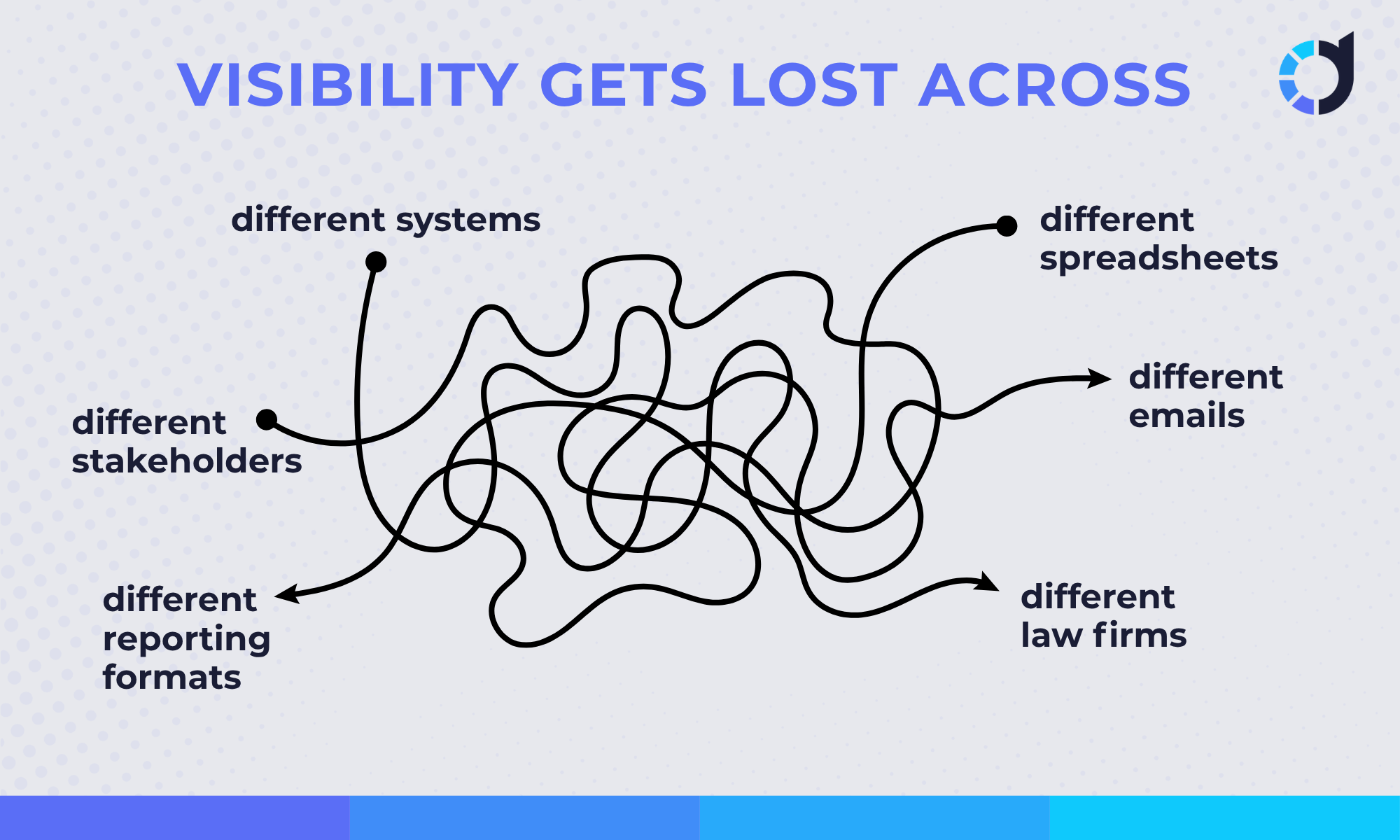
it lives in different systems
different spreadsheets
different emails
different law firms
different reporting formats
So instead of creating intelligence, it creates admin.
And admin, unfortunately, has never once reduced indemnity.
The Plaintiff Bar Understands This Better Than We Do
This is where the asymmetry becomes more obvious.
The study specifically highlights plaintiff firm collaboration and pooled intelligence as a growing competitive advantage.
They are:
sharing insight
learning collectively
identifying patterns
analysing negotiation behaviour
leveraging public litigation data strategically
Meanwhile, on the defense side, many organisations still struggle to get consistent reporting across panel firms.
Not because people aren’t trying.
But because the infrastructure was never designed for this level of complexity.
And Complexity Is Increasing Fast
One stat that stood out to me was this:
85% of executives report an increase in policy limit demands.
Notably, many carriers still aren’t formally tracking them.
That’s a problem.
Because policy limit demands are no longer occasional high-severity events.
They’re becoming part of standard litigation strategy.
And if you aren’t measuring:
frequency
timing
plaintiff firms
negotiation patterns
resolution behaviour
…you can’t identify trends early enough to respond strategically.
You can only react claim-by-claim.
Which becomes very expensive.
The Industry Doesn’t Have a Cost Problem. It Has a Visibility Problem.
That might sound provocative.
But the more conversations I have, the more convinced I am that it’s true.
Because most claims organisations are not short on:
effort
expertise
or reporting
What they’re short on is: connected intelligence
The ability to:
see patterns across claims
align carriers and counsel
identify behaviour trends
understand outcomes in context
and make proactive decisions before costs escalate
That’s a completely different capability than simply reviewing invoices faster.
And This Is Why Litigation Management Has Become a Board-Level Conversation
79% of executives now say litigation effectiveness has been discussed at CEO level in the past year.
That’s not because CEOs suddenly became fascinated by billing guidelines.
It’s because litigation outcomes are increasingly impacting:
financial performance
operational pressure
reserving
staffing
and long-term profitability
This has moved beyond operational oversight.
It’s now strategic infrastructure.
So What Happens Next?
I think the industry is approaching a fairly important divide.
On one side:
Organisations still relying on fragmented processes, disconnected reporting, and reactive management.
On the other:
Organisations building connected litigation ecosystems driven by structured data and shared visibility.
Not because it sounds innovative.
Because the economics of litigation are increasingly forcing it.
Final Thought
For years, litigation management has largely focused on controlling spend.
But the study suggests the next evolution is different.
The real advantage will come from:
visibility
intelligence
alignment
and speed of decision-making
Because in an environment where the plaintiff bar is becoming more sophisticated collectively…
…operating without connected insight is becoming a very expensive disadvantage.

Learn how ClaimDeck helps carriers cut case life by 200+ days, reduce spend, and make litigation AI-ready.

ClaimDeck™ eliminates claims litigation leakage for carriers while driving process into the law firm, modernizing the litigation process.
Follow ClaimDeck on LinkedIn.