Build vs. Buy is the Wrong Question for Litigation Management

by April Willers
President of ClaimDeck
Carriers are having a serious conversation about whether to build claims technology internally or buy from established providers. The question has become more urgent as AI makes software development look faster, cheaper, and more accessible.
But for litigation management, ‘Can we build it?’ is not the most useful question.
Of course, a carrier can build forms, dashboards, and integrations. The more important question is: what must the organization own for the solution to work, and keep working, across claims teams and outside counsel?
The Software Is Just the Surface
Litigation management is a chain of operational decisions. Who provides the update? When is it due? What information must be structured? Who reviews it? What triggers escalation? What happens when a firm does not respond, a valuation changes or a key event is missed?
Those decisions are the product. The screen is simply where they become visible.
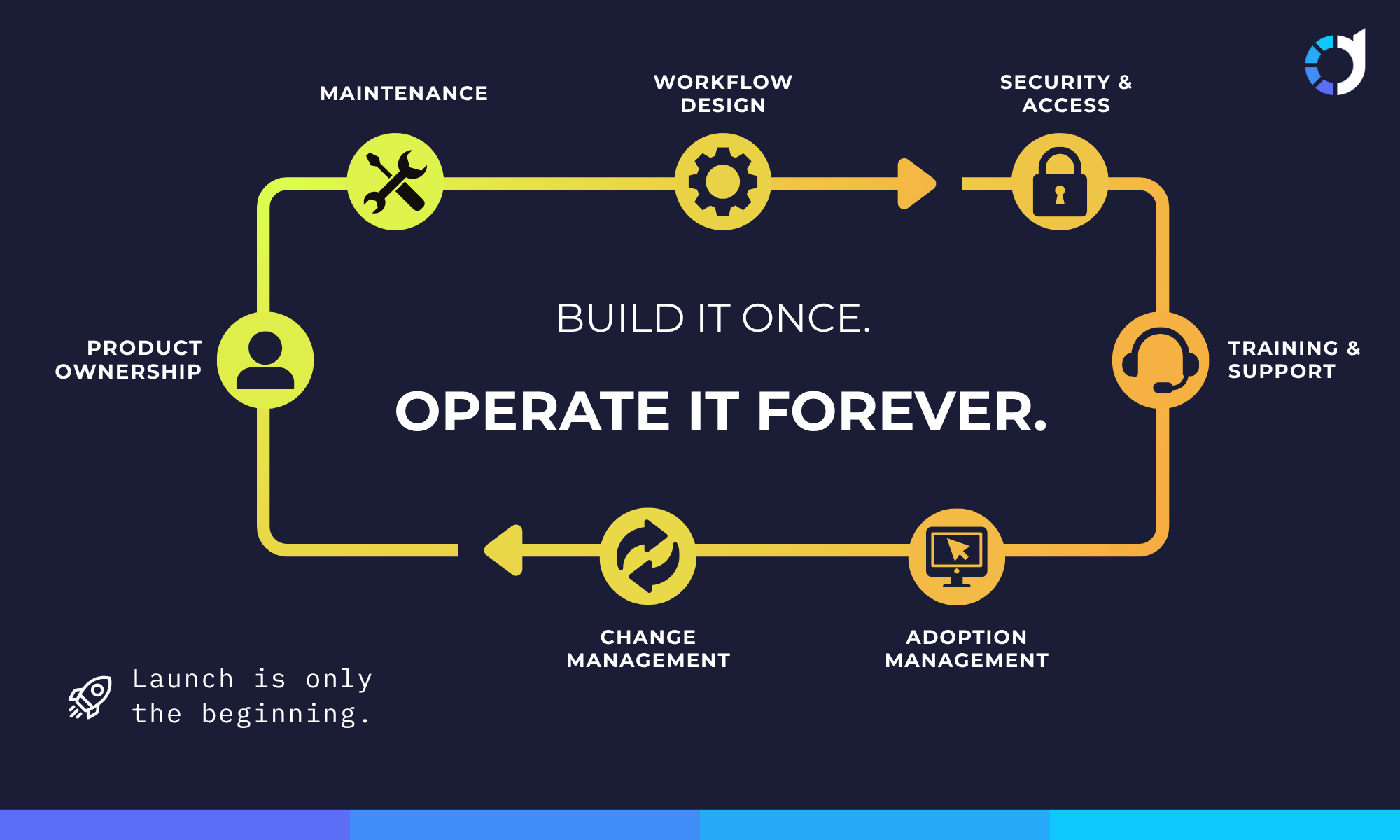
An internal build therefore creates a continuing commitment: product ownership, workflow design, security, firm access, training, support, adoption, maintenance and change management. None of this makes internal development inherently wrong. It does make a feature-and-license comparison incomplete.
Software Doesn't Come With Adoption
Outside counsel participation is not an optional workstream. It is what turns a carrier tool into a shared litigation management process.
For one carrier, firms already using ClaimDeck handled more than 70% of its litigated matters. Existing familiarity reduced the distance between technical launch and useful data. ClaimDeck also manages firm onboarding, access, training and support—work the carrier would otherwise need to staff and sustain.
Digitize or Improve?
Blank development projects naturally begin with current requirements. That can preserve the same reporting habits, hand-offs and blind spots in a cleaner interface.
A specialist platform should bring a point of view. ClaimDeck starts with a working operating model informed by how carriers and firms actually manage litigated matters. Configuration can then focus on carrier-specific needs, rather than spending months rediscovering the fundamentals.
The Outcome is Visibility, Not Storage
A dashboard is only as dependable as the process producing its data.
Reliable portfolio visibility requires clear expectations, structured updates, visible exceptions and active adoption management.
That is why the future claims experience looks less like another system of record and more like a command center: a place that directs attention to the matters, patterns and exceptions where intervention may change the outcome.
A Better Way to Think About Build vs. Buy
The well-informed market conversation highlighted in the Allianz Reuters Connected Claims discussion wisely reflects a wider reality: claims organizations are looking beyond isolated automation toward scalable operating models, usable data and measurable results.
The Build vs. Buy decision should therefore compare more than software. Compare the network, workflow expertise, operating burden, time to dependable portfolio data and accountability for adoption.
The question is not whether your organization is capable of building an application.
It is whether building and operating that application is the best use of claims expertise—and the fastest route to better claim outcomes.

Learn how ClaimDeck helps carriers cut case life by 200+ days, reduce spend, and make litigation AI-ready.

ClaimDeck™ eliminates claims litigation leakage for carriers while driving process into the law firm, modernizing the litigation process.
Follow ClaimDeck on LinkedIn.