
Insurers Are Scaling AI. Some Defense Firms Are Still Scaling Email.

by Rebecca Side
A recent article by Elizabeth Blosfield caught my attention.
Industry leaders were discussing a question that would have seemed futuristic just a few years ago:
How do insurers know when they’re ready to scale AI?

According to James Thom, now President and Chief AI Officer at Vertafore, the answer isn’t really about technology.
It’s about outcomes: embedding AI into workflows, improving decisions, driving efficiency, and creating measurable business impact.
In short, insurers have stopped asking:
“Can we use AI?”
They’re now asking:
“How quickly can we operationalize it?”
Meanwhile, parts of the insurance defense industry are still debating whether email is an acceptable project management system.
For the record, it isn’t.
The irony is hard to ignore.
Carriers are investing heavily in AI, predictive analytics, and digital transformation, while many litigation updates still arrive as PDFs attached to lengthy email chains with seventeen people copied in.
AI Has a Data Problem. So Does Litigation.
One of the most important observations in the article was that successful AI initiatives are built into core workflows.
Not bolted onto broken processes.
That’s because AI is only as good as the information feeding it.
If litigation strategy, reserve recommendations, case assessments, and key decisions are buried in inboxes, AI can’t see them.
And if AI can’t see them, AI can’t help.
As one claims executive recently told us:
“We’re trying to build an AI strategy while still chasing status reports.”
That sentence probably deserves its own conference panel.
The Clock Speed Has Changed
Craig Weber from Cognizant made another point that should resonate with anyone in insurance:
“I’ve never seen insurers do anything too quickly.”
Yet even insurers are beginning to recognize that waiting may now be the greater risk.
At CLM’s 2026 Annual Conference, one theme was impossible to miss:
Everyone is talking about AI.
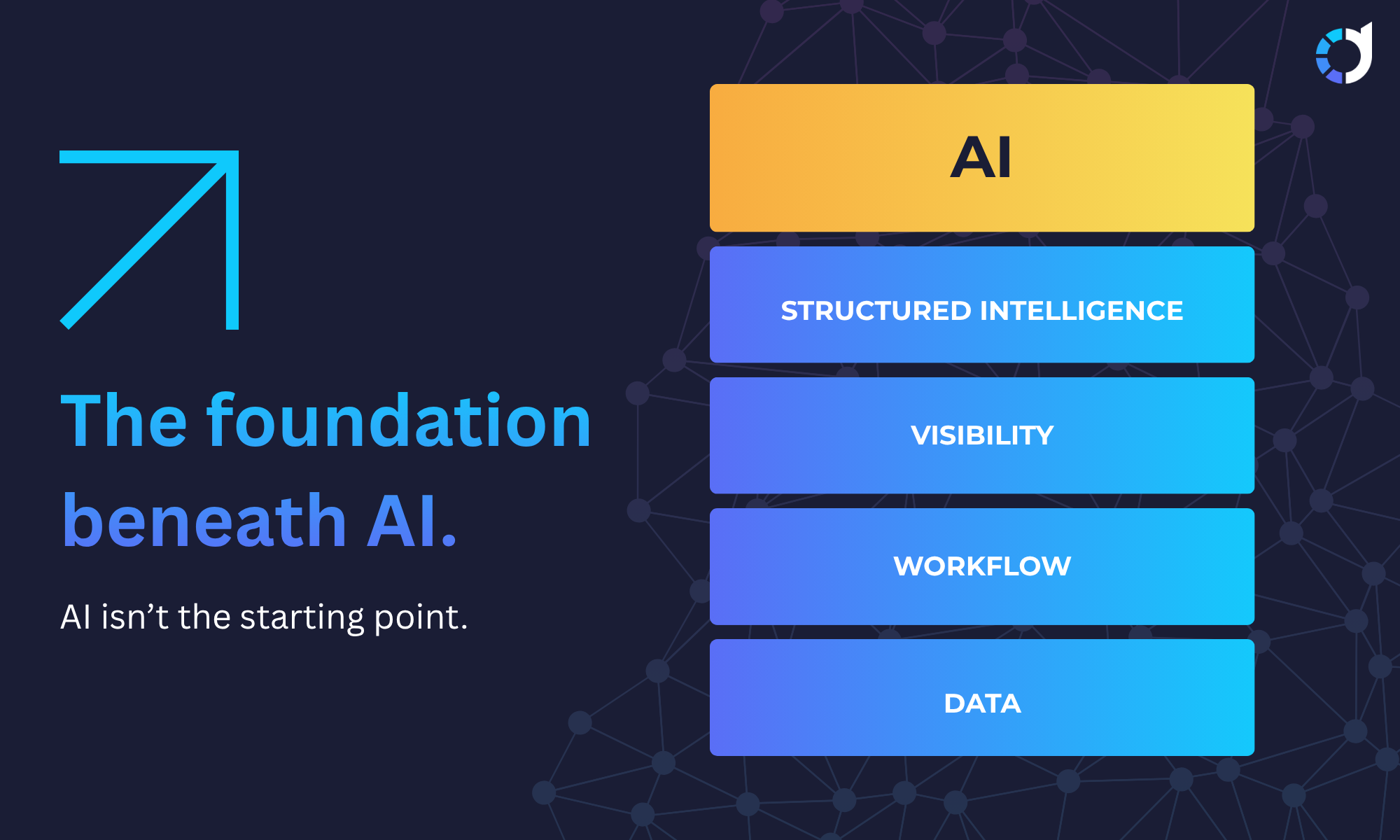
But the organizations seeing real results aren’t starting with AI.
They’re starting with process, data, visibility, and workflow.
The foundations.
Because before AI can transform litigation management, organizations need structured litigation intelligence.
Not more emails.
Not more spreadsheets.
Not another status report sitting in someone’s inbox.
The Future Isn’t Artificial Intelligence. It’s Structured Intelligence.
The firms that thrive over the next decade won’t necessarily be the ones with the most AI tools.
They’ll have the cleanest data, the most transparent workflows, and the strongest collaboration with their clients.
And they’ll understand a simple truth:
You can’t build an AI-powered future on an email-powered process.
Even Lloyd’s is moving beyond paper slips.
Maybe it’s time litigation management did too.
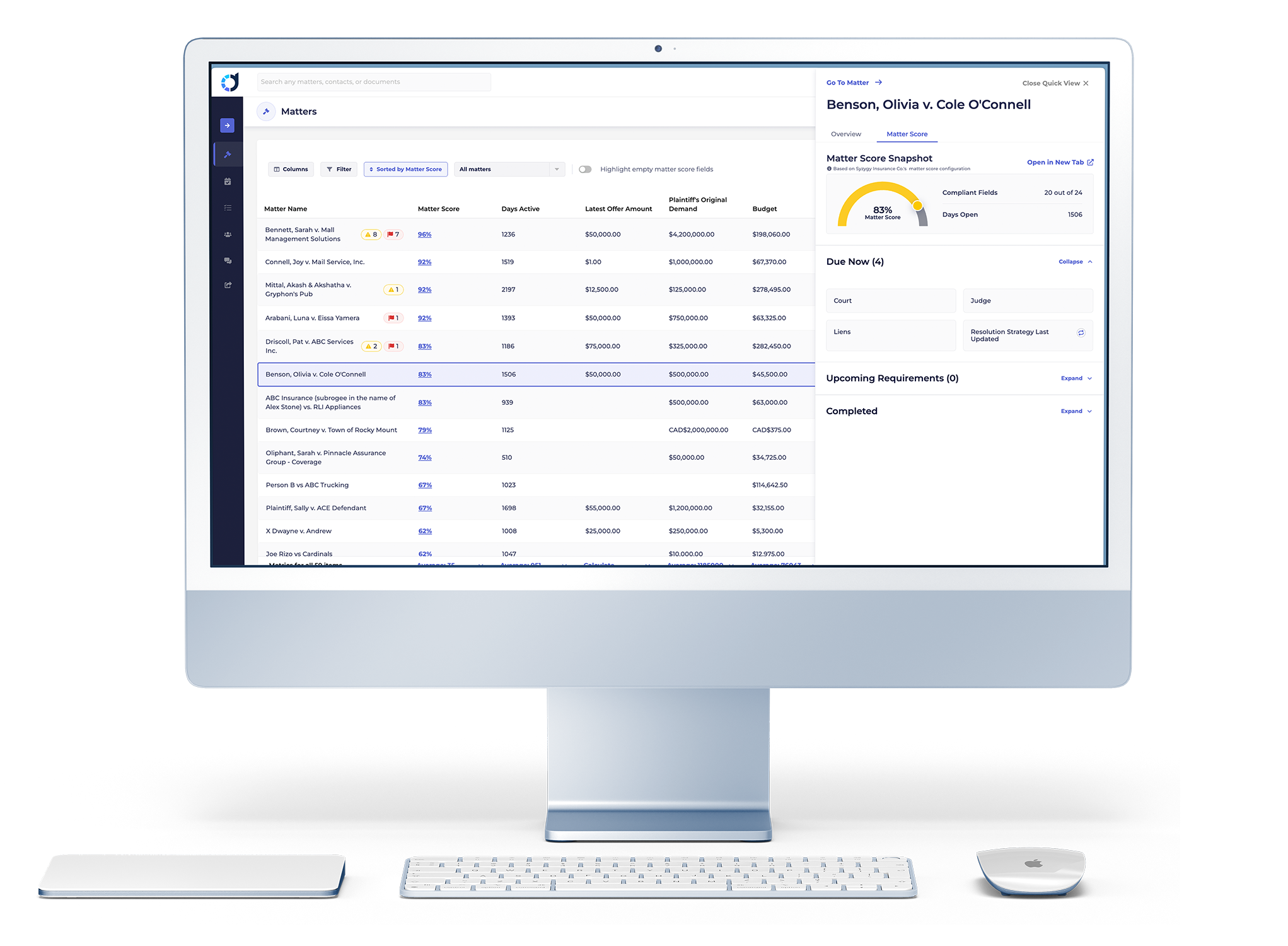
Learn how ClaimDeck helps carriers cut case life by 200+ days, reduce spend, and make litigation AI-ready.

ClaimDeck™ eliminates claims litigation leakage for carriers while driving process into the law firm, modernizing the litigation process.
Follow ClaimDeck on LinkedIn.









Discover how ClaimDeck’s per-claim pricing structure empowers insurers with accurate cost allocation, improved claims management, and enhanced regulatory compliance. Learn how this innovative approach drives profitability and competitiveness in the insurance industry.

Discover how AI and generative tools are transforming insurance claims management. Learn how ClaimDeck's data-driven software helps insurers streamline workflows, improve decision-making, and prepare for the future of claims management.


Discover how to transform your claims department with advanced litigation management technology. Our comprehensive strategic plan for Chief Claims Officers outlines how to enhance technology adoption, data strategy, analytics, and AI integration. Learn how unique structured data insights from litigation technology can revolutionize claims processes and future-proof your operations.
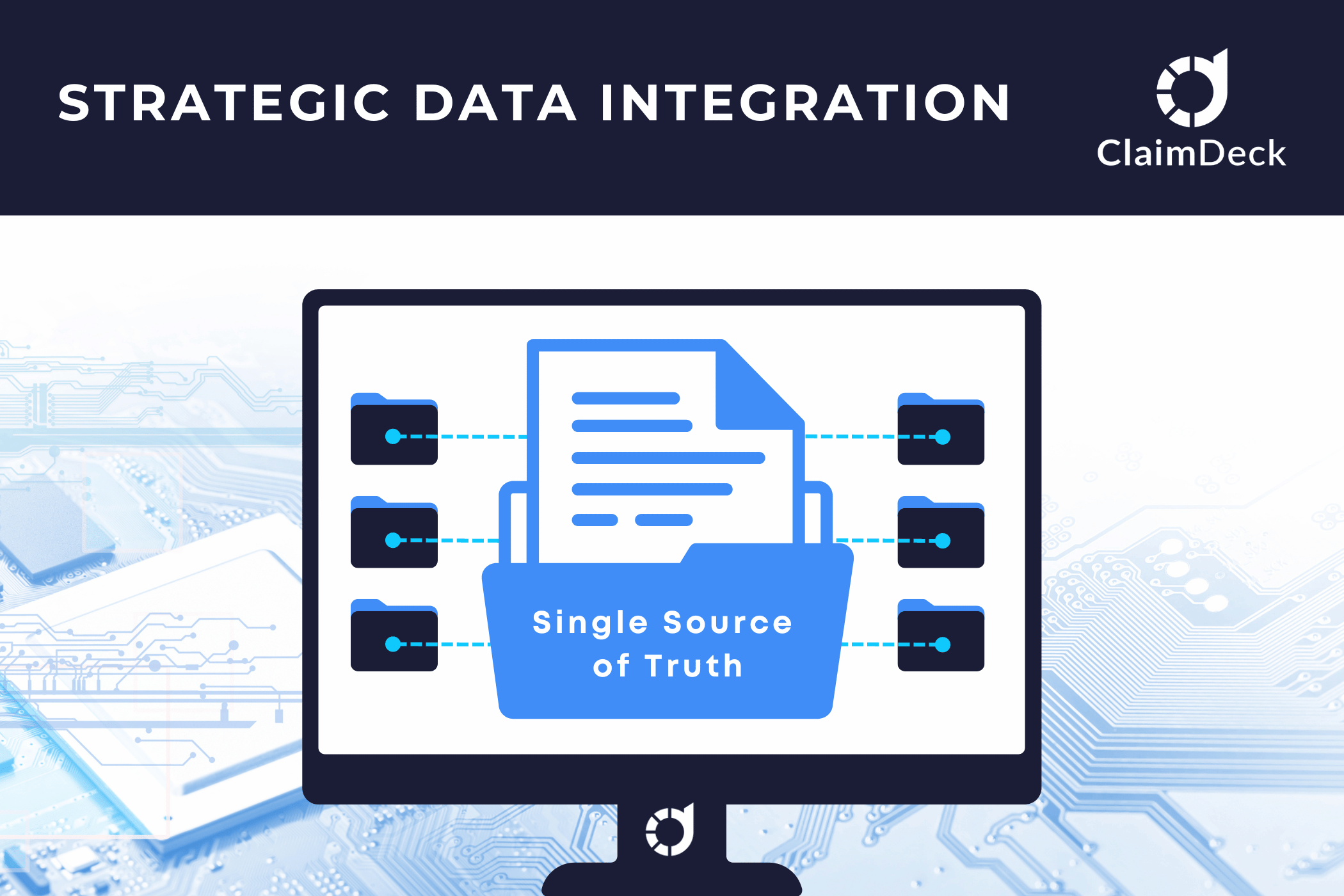


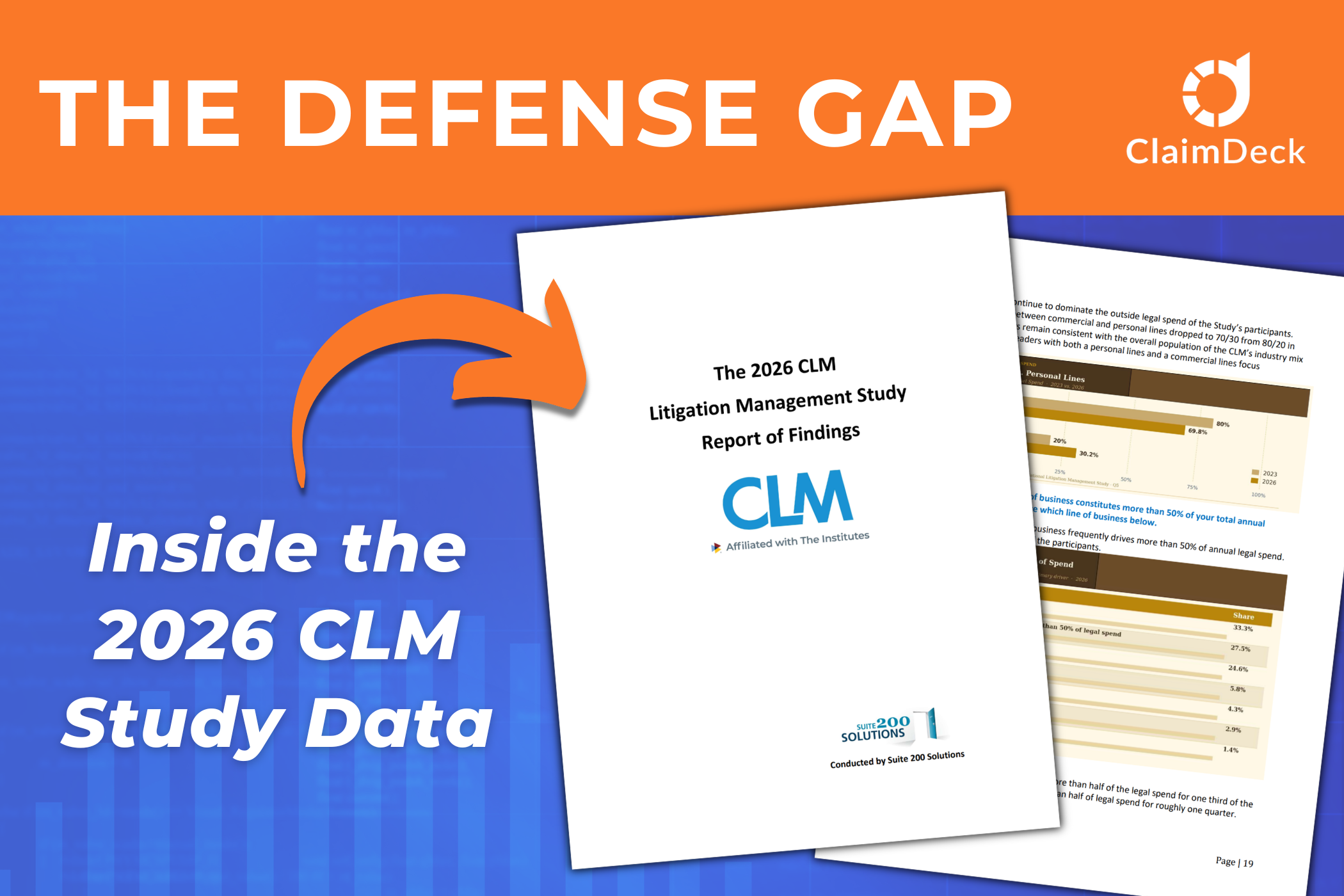
Addressing the rising costs of litigated claims is imperative in the evolving risk industry. According to the 2023 CLM Litigation Management Study Report, 76% of participants reported an increase in their average cost per litigated claim over the last three years. To combat this trend while maintaining quality legal services, efficiency is key. ClaimDeck, a state-of-the-art litigation management system, streamlines processes, standardizes information flow, and enhances operational efficiency, enabling both legal firms and carriers to reduce costs and improve claim resolution outcomes.
The 2023 CLM Litigation Management Study reveals that 87% of participants believe that a majority of litigated claims settle later than necessary. Additionally, 96% of respondents agree that efficient processes and teachable skills are key to successful case resolution. To address these issues, litigation management technology like ClaimDeck incorporates predictive analytics and skill training frameworks, optimizing case closure efficiency. ClaimDeck's innovative communication framework fosters real-time skill training and knowledge transfer, ultimately transforming the landscape of litigation management for increased efficiency and effectiveness.

The 2023 Claims and Litigation Management (CLM) Study highlights a pressing need for innovation in the legal industry. While 89% of law firms are willing to share performance data, 86% feel that firms don't request this information enough. ClaimDeck, a groundbreaking litigation management tool, offers a tech-enabled solution to this data gap, enabling structured benchmarking data collection and fostering a culture of transparency, collaboration, and innovation in the legal sector.

ClaimDeck Founder Dwayne Hermes delves into the transformative potential of technology in litigation management, as highlighted by the 2023 CLM Study. The study points to a significant upswing in technology investment within the industry, with 75% of insurance industry participants anticipating this trend over the next three years. Drawing from the experiences of Hermes Law and ClaimDeck, the white paper illustrates how tech integration can lead to remarkable efficiency gains, client satisfaction, and the groundwork for AI-driven litigation management. This partnership offers a blueprint for the entire risk industry ecosystem, emphasizing the strategic imperative of technology in shaping the future of litigation management.